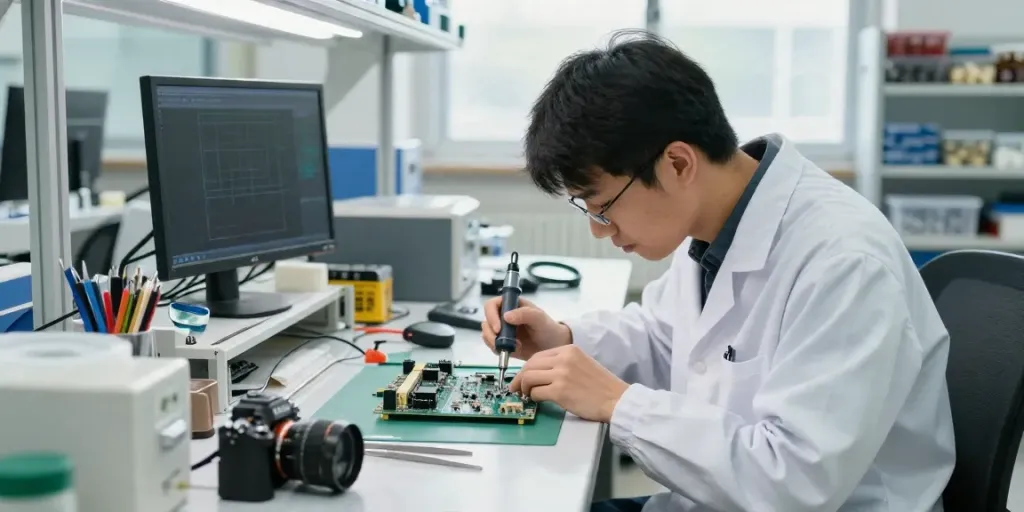
Understanding Low Volume PCB Assembly
In the fast-paced world of electronics manufacturing, low volume PCB assembly plays a crucial role, especially for startups and innovators. This process entails the production of printed circuit boards (PCBs) in small quantities, typically ranging from a mere handful to several thousand units. This type of assembly is particularly relevant for companies looking to validate new designs or bring innovative products to market without the overhead associated with high volume production runs. When exploring options, low volume PCB assembly provides comprehensive insights into reducing risks while ensuring product quality.
What is Low Volume PCB Assembly?
Low volume PCB assembly refers to the manufacturing of printed circuit boards in smaller batches, often necessary for prototyping, testing, and early-stage production. Unlike high volume production, which focuses on mass manufacturing at reduced costs per unit, low volume assembly allows for greater flexibility and adaptability in design iterations. It is ideal for startups and companies that require custom solutions without committing to large-scale manufacturing.
Key Benefits for Startups and Developers
- Faster Time to Market: With low volume assembly, startups can quickly produce functional prototypes to test and validate their ideas. This quick turnaround is crucial in competitive industries where speed is a significant advantage.
- Cost Efficiency: By avoiding large minimum order quantities, startups can conserve resources and invest in crucial areas such as marketing or additional R&D.
- Design Flexibility: Low volume production allows for rapid adjustments to designs based on testing feedback, facilitating an agile development process.
- Access to Advanced Technology: Many assembly providers offer advanced technologies and services that can be utilized without the need for extensive capital investment.
Comparative Analysis with High Volume Production
While high volume PCB assembly focuses on producing hundreds of thousands of units efficiently, it often lacks the flexibility found in low volume assembly. Startups and developers may face challenges when committing to high volume due to initial investment costs, potential obsolescence of designs, and longer lead times. Low volume assembly, however, provides a testing ground for new ideas and allows for rapid scaling should the product gain market traction.
Common Challenges in Low Volume PCB Assembly
Identifying Production Bottlenecks
In low volume PCB assembly, identifying production bottlenecks is essential for maintaining efficiency. Factors such as equipment availability, supply chain interruptions, and workforce skill levels can impact production timelines. Regularly reviewing production processes and utilizing metrics can help pinpoint areas needing improvement.
Cost Management in Small Batches
While low volume production can be cost-effective, it is not without its challenges. The cost per unit is typically higher than in mass production due to setup times and material costs. To effectively manage these costs, companies should explore partnerships with assembly service providers who can offer competitive pricing models for small orders. Implementing a clear budget and prioritizing essential components over luxury features can also mitigate expenses.
Quality Assurance Measures
Maintaining quality assurance in low volume PCB assembly is vital to prevent costly reworks and ensure customer satisfaction. Regular inspections, implementing automated testing, and adhering to industry standards can significantly reduce errors. Collaborating closely with assembly partners ensures that stringent quality measures are adhered to throughout the production process.
Best Practices for Efficient Assembly
Optimizing Workflow to Reduce Lead Times
To enhance efficiency in low volume PCB assembly, optimizing workflows is critical. This includes streamlining processes from design to delivery, employing just-in-time inventory practices, and ensuring proper training for assembly personnel. Adopting lean manufacturing principles can also help minimize waste and keep lead times under control.
Utilizing Advanced Technologies for Precision
The use of advanced technologies such as automated pick-and-place machines and automated optical inspection systems can dramatically increase the precision and speed of PCB assembly. Investing in such technologies can lead to higher-quality products while reducing the labor required, ultimately driving down costs over time.
Collaborative Tools for Project Management
Effective project management is crucial in low volume PCB assembly. Utilizing collaborative tools that facilitate communication among team members can ensure that everyone is aligned on timelines, specifications, and changes. Tools like project management software and cloud-based platforms enable real-time tracking and foster collaborative efforts among designers, engineers, and manufacturers.
Real World Applications of Low Volume PCB Assembly
Case Studies from Innovative Startups
Many successful startups have leveraged low volume PCB assembly to launch their products. For instance, a tech startup focusing on wearable devices employed a low volume approach to develop and iterate on their prototype before entering mass production. This strategy allowed them to refine their product based on user feedback, leading to a successful product launch.
Electronics Prototyping for New Products
Electronics prototyping is crucial in the innovation landscape. Companies often require a small batch of assembled PCBs to test ideas before committing to large production runs. This prototyping phase can reveal potential issues in functionality and provide necessary adjustments without the risk of overproducing faulty designs.
Rapid Development for Emerging Technologies
Emerging technologies, particularly in sectors like IoT, medical devices, and automotive, demand a rapid development cycle. Low volume PCB assembly enables these sectors to rapidly test and iterate on new products, aligning with the fast-paced nature of technological advancements. By adopting this assembly method, companies can respond faster to market demands and refine their offerings based on consumer insights.
Future Trends and Predictions for 2026
Evolving Technologies in PCB Manufacturing
The landscape of PCB manufacturing is continuously evolving. By 2026, we can expect advancements in automation, AI-driven design tools, and enhanced materials that will streamline low volume PCB assembly processes. These innovations will not only improve efficiency but also enhance the quality and reliability of the final products.
Shift Towards Sustainable Practices
As environmental concerns grow, there is a significant shift towards sustainable practices in manufacturing. Low volume PCB assembly is poised to benefit from this trend as companies seek to reduce waste and utilize eco-friendly materials. Implementing sustainable practices not only helps the environment but also meets the increasing consumer demand for responsible products.
Anticipating Market Needs and Consumer Demands
With rapid technological changes, anticipating market needs becomes crucial for companies. Low volume PCB assembly offers the flexibility to adapt to changing consumer demands and technology shifts. Companies that can pivot quickly and release new iterations of their products will maintain a competitive edge in the crowded electronics market.
How can low volume PCB assembly benefit startups?
Low volume PCB assembly allows startups to develop and validate their products more efficiently, minimizing financial risk while maximizing innovation. This process supports rapid iteration and feedback integration, essential for successful product development.
What are the typical costs associated with low volume PCB assembly?
The costs can vary widely based on design complexity, components, and assembly requirements. However, startups typically find it more manageable than committing to high volume runs, as they can produce only what is necessary for testing and initial sales.
What technologies enhance low volume PCB assembly processes?
Technologies such as automated placement systems, advanced inspection tools, and software for design optimization significantly enhance low volume PCB assembly processes, allowing for greater precision and efficiency.
How does low volume differ from prototype PCB assembly?
While both focus on small production runs, low volume PCB assembly is typically used once a design is more finalized, whereas prototype PCB assembly is often for preliminary testing of designs that may not yet be finalized.
What industries most benefit from low volume PCB assembly?
Industries such as consumer electronics, automotive, medical devices, and IoT applications heavily rely on low volume PCB assembly due to the need for rapid prototyping and iterative development in these fast-evolving fields.