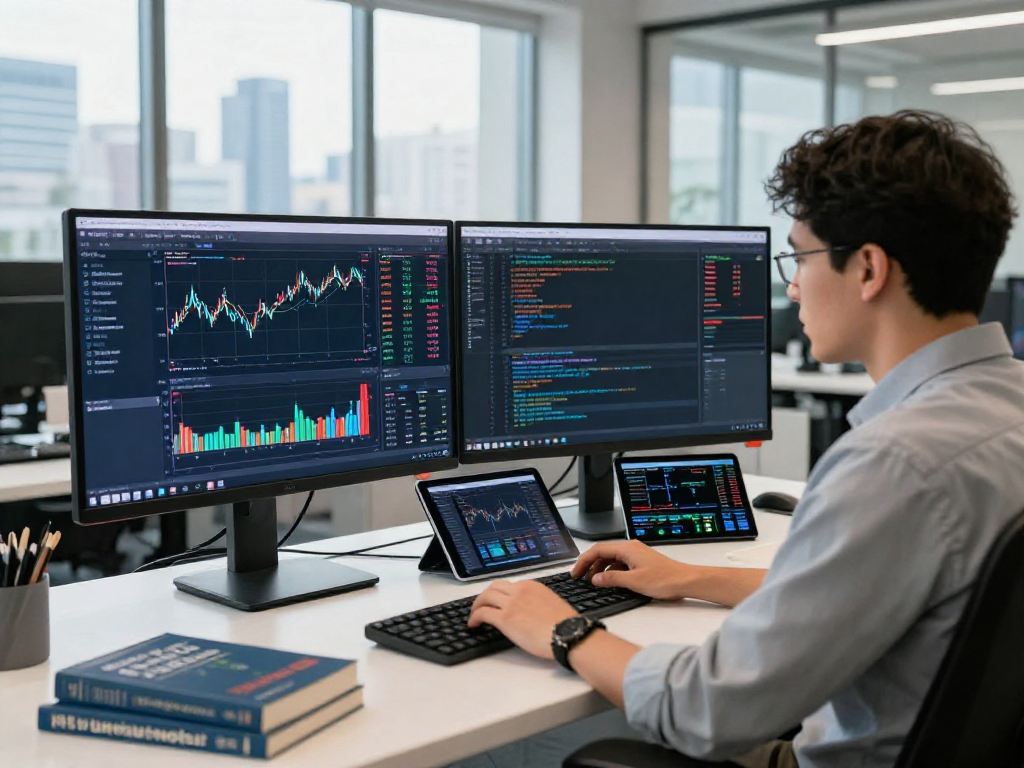
The Importance of Real-Time Data in Stock Trading
In today's fast-paced financial markets, the ability to access real-time data is vital for traders and developers alike. Having immediate insights into market movements, price changes, and trading volume can significantly enhance decision-making processes, particularly in highly volatile environments like stock trading. With the digital transformation of finance, tools like the HK stock backtesting API enable users to harness the power of data more efficiently than ever before.
Understanding Real-Time vs. Historical Data
Real-time data refers to information that is available immediately as it happens. Traders rely on this type of data to make instantaneous decisions based on current market conditions. Conversely, historical data consists of past market information, which offers insights into trends and patterns but may not accurately reflect current market dynamics. Combining both data types allows traders to create robust strategies that are informed by the recent market activity while also considering long-term trends.
How Real-Time Data Enhances Decision-Making
The use of real-time data in trading strategies can enhance a trader's ability to respond to market changes quickly. For instance, a sudden news event can cause stock prices to fluctuate rapidly. Traders equipped with real-time data can react promptly, taking advantage of market inefficiencies. Additionally, trading platforms that integrate real-time data provide alerts and analytics, allowing traders to make informed decisions based on market behavior, enhancing their overall trading performance.
Case Studies: Successful Implementations
Numerous trading firms and fintech companies have successfully integrated real-time data into their operations, demonstrating its critical role in executing profitable trades. For example, a prominent hedge fund utilized real-time analytics to adjust its portfolio in response to geopolitical events, resulting in a 15% increase in returns for its investors. Such case studies highlight the tangible benefits of leveraging real-time data in stock trading.
How HK Stock Backtesting API Works
The HK stock backtesting API is a powerful tool designed to assist traders and developers in evaluating their trading strategies against historical data. It simulates trading scenarios based on past market conditions, enabling users to assess the potential performance of their strategies before applying them in real markets. This approach not only saves time and resources but also reduces the risks associated with new trading tactics.
Core Features of the HK Stock Backtesting API
- Comprehensive Data Access: Users can access real-time and historical market feeds from over 50 exchanges, ensuring that they have all necessary data at their fingertips.
- High-Performance Engine: The API is built for speed and performance, processing vast amounts of data quickly to ensure accurate analysis.
- Customizable Backtesting Environments: Traders can create tailored environments that mimic their trading strategies to evaluate effectiveness under varied conditions.
- Real-Time Alerts: Stay informed with real-time notifications about market changes that may influence backtesting results.
Integrating the API into Trading Platforms
Integrating the HK stock backtesting API into existing trading platforms can be achieved through well-documented steps provided in the API's documentation. Developers can utilize RESTful API calls or WebSocket connections to interact with the service, allowing for seamless data retrieval and strategy evaluation. Furthermore, comprehensive documentation ensures that developers have the guidance needed to make integration smooth and efficient.
Common Use Cases for Developers and Traders
Traders and developers utilize backtesting APIs for various purposes, including:
- Testing new trading strategies against historical data to evaluate viability.
- Adjusting existing strategies based on backtesting results to enhance performance.
- Simulating different market conditions to understand potential risks and outcomes.
- Creating predictive models that leverage both historical and real-time data to forecast future market movements.
Best Practices for Using Backtesting APIs
Leveraging backtesting APIs effectively requires adherence to best practices that can help traders extract maximum value from their analyses. These strategies ensure that the data-driven approach leads to tangible improvements in trading performance.
Designing Effective Backtesting Strategies
When designing backtesting strategies, it is essential to ensure that they are grounded in sound financial principles. Traders should focus on:
- Utilizing a diverse range of historical data to encompass different market scenarios.
- Incorporating risk management techniques, such as stop-loss orders, into the strategy.
- Regularly reviewing and adjusting the strategy based on performance metrics gathered from backtesting.
Interpreting Backtesting Results Accurately
Interpreting the results obtained from backtesting requires careful analysis. Traders should look for:
- Consistency in results across different market conditions.
- The ability of the strategy to adapt to unexpected market fluctuations.
- Clear metrics indicating profitability, including the Sharpe ratio and maximum drawdown.
Iterating on Strategies for Optimal Performance
Backtesting should not be a one-time process. Traders must iterate on their strategies, continually testing and refining them based on new data and outcomes from past trades. This iterative approach allows for the continuous improvement of trading strategies, ultimately leading to better results in real market conditions.
Challenges and Solutions in Stock Backtesting
Despite the potential benefits of backtesting, several challenges can arise, impacting the accuracy of results. Understanding these challenges and developing strategies to mitigate them is crucial for any trader using backtesting APIs.
Common Pitfalls in Data Interpretation
One common pitfall in interpreting backtesting results is overfitting, where a model is too closely tailored to historical data, thus failing to perform well in live markets. To avoid this, traders should focus on:
- Balancing model complexity with the richness of data.
- Utilizing out-of-sample testing to validate strategies against unseen data.
- Applying robust statistical methods to discern meaningful patterns from noise.
Handling Market Anomalies and Errors
Market anomalies, such as flash crashes or unusual trading volumes, can skew backtesting results. Traders can address this by:
- Implementing filters to exclude extreme data points during backtesting.
- Reviewing market news and events that correspond with significant changes in the data.
- Using diverse data sources to validate findings across different platforms.
Tools to Mitigate Risks in Backtesting
Utilizing advanced tools can enhance the reliability of backtesting results. These may include:
- Statistical software for data analysis and visualization.
- Simulation environments to test strategies under various market conditions.
- Risk management tools to account for potential losses during live trading.
Future Trends in Stock Market API Development
As the financial landscape continues to evolve, several trends are emerging that are expected to shape the development of stock market APIs in the coming years.
Emerging Technologies in Financial APIs
Technologies such as blockchain and decentralized finance (DeFi) are starting to influence the design and functionality of APIs. These innovations are likely to enhance transparency and security in data sharing, making financial APIs more robust and user-friendly.
The Role of AI and Machine Learning
Artificial intelligence and machine learning are poised to play significant roles in stock market API development. By leveraging AI, developers can create predictive models that enhance trading strategies, allowing for more personalized trading experiences tailored to individual investor preferences.
Preparing for Regulatory Changes in 2026
As we approach 2026, it is crucial for developers and traders to stay informed about potential regulatory changes affecting financial APIs. Maintaining compliance with evolving data protection laws and trading regulations will be essential for sustaining market access and consumer trust.
What is a backtesting API?
A backtesting API is a tool that allows traders and developers to evaluate trading strategies against historical market data. It simulates past market conditions to assess how a strategy would have performed.
How do I integrate the HK stock backtesting API?
Integration typically involves following the API documentation, which will guide users through the setup process and provide examples of API calls for retrieving data.
What makes real-time data crucial for traders?
Real-time data allows traders to respond swiftly to market changes, enabling better decision-making and enhanced trading performance.
How can I evaluate the performance of my backtesting strategy?
Performance evaluation should include analyzing key metrics such as returns, volatility, and risk-adjusted measures like the Sharpe ratio to gauge strategy effectiveness.
What future developments can we expect in trading APIs?
Future developments may include greater integration of AI, enhanced security features, and increased compliance with regulatory standards to support more sophisticated trading environments.