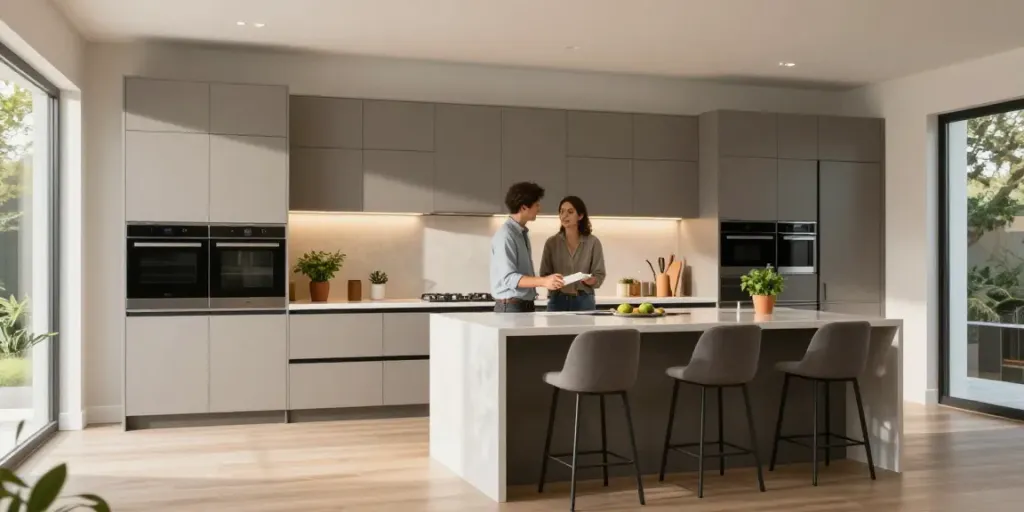
Understanding Custom Kitchen Design
Custom kitchen design has emerged as a vital aspect of home improvement, particularly in a vibrant market like Chișinău. As homeowners seek to create unique and functional spaces tailored to their needs, the demand for personalized solutions has soared. Whether it's maximizing small spaces or integrating modern technology, the right design can transform a kitchen into a centerpiece of the home. When exploring options, кухни на заказ кишинев provides comprehensive insights that can guide you through your journey to a dream kitchen.
What Defines Custom Kitchens?
Custom kitchens stand apart from standard offerings by emphasizing personalization. They are crafted to fit the unique dimensions of a space, accommodating specific user preferences and lifestyle needs. Customization can include everything from layout and materials to color schemes and cabinetry styles. The key features that define custom kitchens include:
- Tailored Design: Every element can be customized according to personal taste and functional requirements.
- Quality Materials: Custom kitchens often utilize high-quality materials that enhance durability and aesthetic appeal.
- Unique Layouts: Unlike pre-fabricated options, custom designs optimize the available space, making kitchens more functional.
Benefits of Personalized Kitchen Solutions
Investing in a custom kitchen offers numerous benefits. Homeowners can enjoy enhanced functionality through efficient layouts that cater to their cooking and entertaining habits. Moreover, custom kitchens bring aesthetic value, allowing homeowners to express their personal style through design choices that reflect their tastes. Other notable benefits include:
- Increased Resale Value: A well-designed custom kitchen can significantly boost a property’s market value.
- Improved Efficiency: Custom designs can streamline workflows, making cooking and cleaning more efficient.
- Long-term Satisfaction: A kitchen tailored to personal needs fosters greater satisfaction and enjoyment over time.
Common Misconceptions About Customization
Despite the clear advantages, several misconceptions may deter potential customers from pursuing custom kitchen designs. One common belief is that customization is prohibitively expensive. While it can be more costly than off-the-shelf solutions, the long-term benefits often justify the investment. Additionally, some homeowners may think that custom kitchens take a long time to design and install. However, with a well-structured process, timelines can be managed effectively, ensuring a smooth experience from start to finish.
The Process of Designing Your Custom Kitchen
The journey to your dream kitchen involves several key steps that ensure a meticulous approach to design and execution. This structured process typically includes the following stages:
Initial Consultation and Design Ideas
The first step involves discussing your vision, requirements, and taste preferences with a design consultant. This stage is crucial as it sets the foundation for the project. The consultant will assess your space and gather insights that will inform the design process. This conversation often leads to initial design concepts and layout ideas that reflect both functionality and style.
3D Visualizations and Approvals
Once preliminary ideas are established, designers create 3D visualizations of your proposed kitchen. These renderings provide a realistic view of the space and allow for adjustments before final approval. This visualization process is essential for conveying design intent and ensuring alignment with your expectations.
Finalizing Materials and Finishes
After approving the design, the next stage involves selecting materials, finishes, and fixtures. This selection process has a significant impact on the kitchen's overall look and feel, and it includes choices like cabinet finishes, countertop materials, and flooring. Collaborating with your designer to choose high-quality materials is crucial for ensuring that your kitchen is durable and visually appealing.
Budgeting for Your Custom Kitchen Project
Creating a kitchen that meets your needs while respecting your budget is a balancing act that requires careful planning. Knowing how to estimate costs for your custom kitchen can help you stay within budget while achieving your desired look.
Estimating Costs for Custom Solutions
Budgeting starts with estimating costs related to materials, labor, and design services. A detailed outline of these components can help avoid surprises later in the process. Generally, custom kitchens can range widely in price based on size, materials, and complexity, so it's critical to be clear about your budget upfront to guide your design choices.
Options for Financing Your Kitchen Renovation
Financing options for kitchen renovations vary and may include personal loans, home equity lines of credit, or even specialized renovation loans from financial institutions. Exploring these options can help you manage upfront costs and ensure your dream kitchen becomes a reality without financial strain.
Common Cost-Effective Strategies
Implementing cost-effective strategies can help you save on your custom kitchen while still achieving high quality. Consider prioritizing essential features first and adding non-essential elements later as your budget allows. Additionally, working with a supplier who offers transparent pricing can help you make informed decisions without hidden costs.
Quality Assurance and Material Selection
Choosing the right materials and ensuring quality craftsmanship is vital for the longevity of your custom kitchen. This focus on quality not only enhances the kitchen's performance but also its aesthetic appeal.
Choosing the Right Materials for Durability and Style
When selecting materials, consider both durability and style. High-quality cabinets made from solid wood, for instance, can endure everyday wear and tear while providing a timeless aesthetic. Additionally, surfaces such as quartz and granite offer durability and are available in various finishes and patterns, allowing for personalization.
Importance of Quality Craftsmanship
Superior craftsmanship is fundamental to achieving a seamless look and functional design. Invest in experienced professionals who understand the intricacies of custom kitchen design and installation. Their expertise will affect not only the visual outcome but also the kitchen's performance over time.
Evaluating Supplier Options and Warranties
Researching suppliers is essential for finding the right partners for your kitchen project. Look for suppliers that offer comprehensive warranties on their products, as this assurance reflects their confidence in the materials and craftsmanship. A robust warranty can provide peace of mind and safeguard your investment.
Trends to Watch for Custom Kitchens in 2026
The world of kitchen design is constantly evolving, with new trends emerging each year. Staying current on these trends can inspire your custom kitchen project and ensure it remains stylish for years to come.
Innovative Designs and Features to Consider
In 2026, expect to see a rise in innovative kitchen designs that integrate smart technology and sustainable practices. Features such as touchless faucets, smart appliances, and energy-efficient lighting systems are becoming integral to modern kitchens.
Technology Integration in Modern Kitchens
As technology continues to advance, kitchen designs are incorporating tech solutions that improve usability. Voice-activated assistants, smart refrigerators, and app-controlled lighting are examples of how homeowners can elevate their cooking experience.
Eco-Friendly Practices and Sustainable Materials
With a growing emphasis on sustainability, many homeowners are opting for eco-friendly materials, such as bamboo cabinetry or recycled glass countertops. These not only contribute to environmental conservation but also bring unique aesthetics to kitchen designs.
What Are the Latest Consumer Preferences?
Consumer preferences are shifting towards open-concept designs that encourage social interaction, as well as multipurpose spaces that can accommodate both cooking and entertaining. Kitchens that blend seamlessly with dining and living areas are becoming increasingly popular, allowing for a cohesive living experience.