Overview of Kindergarten Singapore in 2026
In 2026, the landscape of early childhood education in Singapore continues to evolve, reflecting the growing recognition of the importance of early learning. With an emphasis on holistic development, preschools like Pegasus International Preschool are at the forefront, providing dynamic environments where children can thrive. The demand for high-quality kindergarten education has led to innovative curricula, such as inquiry-based learning, which fosters curiosity and creativity among young learners. When exploring options, Kindergarten Singapore offers comprehensive insights into these educational advancements.
Importance of Early Childhood Education
Research underscores the vital role of early childhood education in shaping children's cognitive, emotional, and social development. Experts agree that the foundational skills learned in these formative years significantly impact future academic success and overall well-being. According to studies, children who participate in structured early learning programs demonstrate better language skills, improved social interactions, and an increased ability to adapt to new environments.
Trends in Kindergarten Curriculum
With ongoing advancements in pedagogy, kindergarten curricula are increasingly incorporating contemporary educational philosophies. One notable trend is the integration of technology into learning, providing children with access to interactive tools and resources that complement traditional teaching methods. Additionally, many preschools are embracing a more comprehensive, thematic approach to learning, which connects various subjects through engaging projects that stimulate children's natural interests.
Parental Involvement in Education
Active parental involvement is recognized as a cornerstone of effective early childhood education. Research suggests that children whose parents engage in their educational experiences tend to perform better academically and socially. Schools are now fostering stronger partnerships with families, encouraging parents to participate in school events, volunteer opportunities, and collaborative learning activities. This holistic approach not only benefits the child’s learning journey but also strengthens the community around the school.
Inquiry-Based Learning Approaches
Defining Inquiry-Based Learning
Inquiry-based learning is an educational strategy that promotes critical thinking through exploration and questioning. Instead of focusing solely on rote memorization, this approach encourages children to engage actively with their environment and pursue their interests. This aligns closely with the philosophy of preschools like Pegasus International, which prioritize fostering a love for learning through discovery.
Benefits for Young Learners
The benefits of inquiry-based learning are profound. Children develop crucial skills such as problem-solving, collaboration, and creativity as they explore various concepts at their own pace. Moreover, this approach encourages genuine curiosity, allowing children to take the lead in their educational journeys. This self-directed learning fosters a sense of ownership and empowerment that can significantly enhance motivation and engagement.
Practical Application in Classrooms
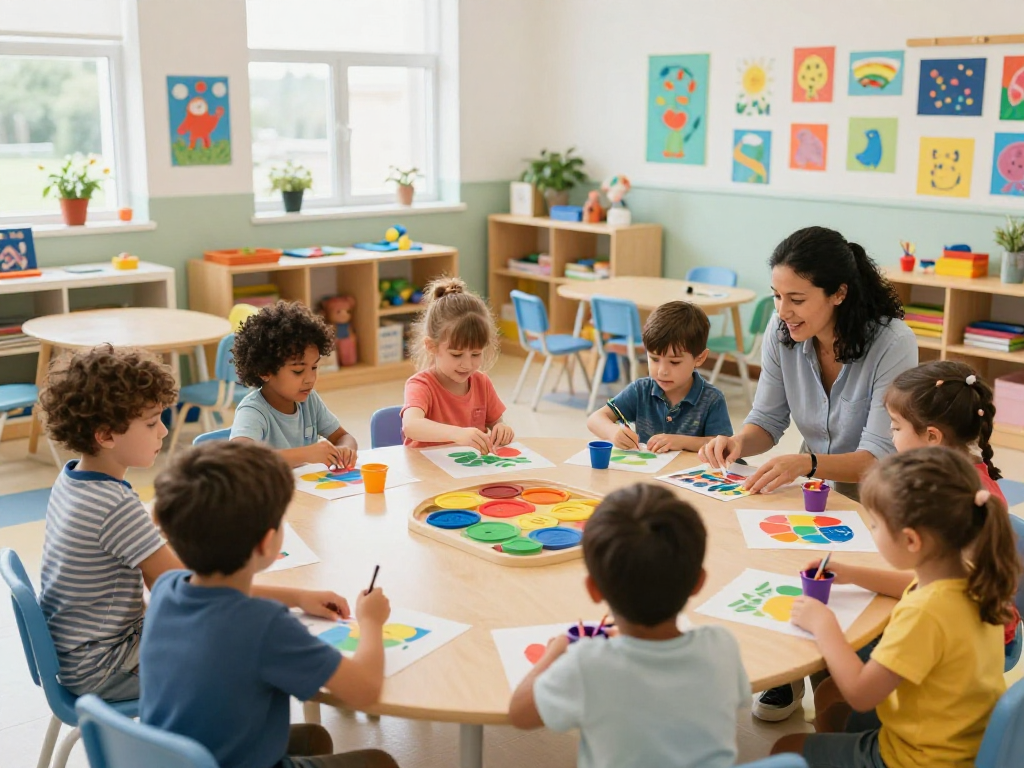
In practice, inquiry-based learning environments include hands-on activities, group projects, and discussions that promote interactive learning. For instance, at Pegasus International Preschool, children might work on a science project that involves observing plants and experimenting with different growth conditions. Such experiences not only teach scientific concepts but also cultivate teamwork and communication skills among peers.
Child Development Focus at Pegasus International Preschool
Holistic Development Methodologies
At Pegasus International Preschool, the focus on holistic development is paramount. This means recognizing that children grow emotionally, physically, socially, and cognitively. The curriculum is carefully designed to nurture all aspects of a child's development, ensuring that they are not just academically prepared but also equipped with the skills to navigate life’s challenges. Through activities that promote social interaction and emotional intelligence, children learn the importance of empathy and cooperation.
Emphasis on Emotional and Social Skills
Emotional intelligence and social skills are crucial for children as they prepare for future interactions in both educational and social settings. At Pegasus, teachers integrate play-based activities that foster these skills. Activities such as role-playing, cooperative games, and group discussions allow children to practice sharing, conflict resolution, and emotional expression, which are essential competencies for their long-term success.
Academic Foundations for Lifelong Learning
While emotional and social development is critical, academic preparedness remains a focus in kindergarten education. Pegasus International Preschool adopts a curriculum that introduces foundational literacy and numeracy skills through playful learning environments. Children engage with letters, numbers, and basic concepts through interactive games and storytelling, setting the stage for a seamless transition into primary school education.
Creating a Safe and Stimulating Environment
Classroom and Playground Design
The physical environment plays a significant role in facilitating growth and learning. At Pegasus, classrooms are designed to be welcoming and adaptable, allowing for various learning styles and activities. The outdoor playgrounds are equally important, featuring equipment that encourages physical activity, creativity, and social interaction, crucial for a child's development.
Importance of Teacher-Child Ratios
Maintaining an effective teacher-child ratio is critical for personalized attention in early childhood education. At Pegasus, the commitment to low ratios ensures that each child receives the guidance and support necessary for their individual growth. This allows teachers to closely monitor progress, tailor learning experiences, and foster stronger relationships with each student.
Incorporating Diversity in Learning
As an international preschool, Pegasus incorporates a variety of cultural perspectives into its curriculum. By promoting diversity and inclusivity, children learn to appreciate and respect differences from an early age. This not only prepares them to thrive in a multicultural society but also instills values of empathy and understanding that are essential for harmonious living in today’s globalized world.
Looking Ahead: The Future of Kindergarten Education
Emerging Trends for 2027 and Beyond
As we look toward 2027, several emerging trends in kindergarten education are anticipated to shape the future landscape. These include an increased emphasis on mental health and well-being, as educators recognize the importance of fostering resilient learners capable of managing stress and challenges. Furthermore, the integration of mindfulness practices in early education is expected to gain traction as a means to support emotional regulation.
Technology Integration in Early Learning
Technology will continue to play a pivotal role in early childhood education, with interactive tools and digital resources enhancing traditional learning methods. Educators are likely to leverage educational technology to create more personalized learning experiences that cater to each child's unique interests and learning pace, ultimately preparing them for a tech-savvy future.
Preparing Children for a Multicultural Society
With globalization further connecting people from diverse backgrounds, preschools like Pegasus are tasked with preparing children for a multicultural world. Educators will increasingly incorporate global perspectives into their curricula, ensuring children are well-versed in cultural diversity and social justice issues. This preparation will not only enrich their understanding of the world but also empower them to become compassionate global citizens.
What Should Parents Look For?
When choosing a preschool, parents should consider factors such as the school's educational philosophy, curriculum, teacher qualifications, and the support provided for holistic child development. An effective preschool should foster a nurturing environment where children feel safe, valued, and excited about learning. Furthermore, transparency in communication between the school and parents is essential for a successful partnership in supporting the child's growth.
How to Choose the Right Preschool?
Choosing the right preschool involves thorough research, including visiting potential schools, observing classrooms in action, and talking to educators. Parents should look for institutions that resonate with their educational values and priorities. It is also beneficial to seek feedback from other parents within the community to gauge the school's reputation and effectiveness.
What are the Costs Associated with Preschool?
The costs associated with preschool education can vary significantly based on location, facilities, and provided services. In Singapore, parents should anticipate investment in quality early childhood education, which often provides substantial long-term benefits for their children. Understanding the financial commitment and available options can help families make informed decisions when selecting the right preschool for their children.