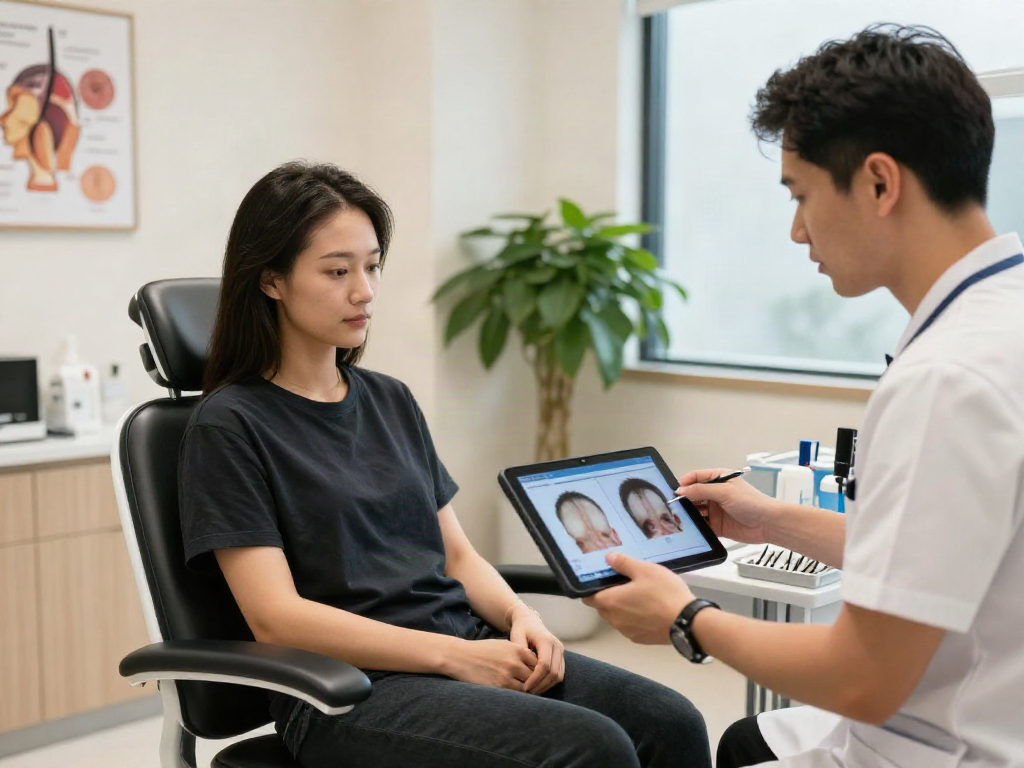
Understanding Hair Transplant Techniques in Istanbul
For those experiencing hair loss, the advancements in hair transplant techniques have transformed the landscape of restoration solutions. Istanbul has emerged as a hub for these procedures, attracting patients worldwide with its blend of cutting-edge technology and affordability. When exploring options, hair transplant istanbul provides comprehensive insights that can guide you through your journey towards regaining confidence.
What is a Hair Transplant?
A hair transplant is a surgical procedure that involves transferring hair follicles from a donor site, often located at the back of the head, to areas experiencing thinning or baldness. This technique is designed to provide a natural-looking hairline and restore one's aesthetic appeal. Modern hair transplants typically fall into two primary categories: Follicular Unit Transplantation (FUT) and Follicular Unit Extraction (FUE), each with distinct methodologies and benefits.
Common Methods Used in Istanbul
In Istanbul, both FUT and FUE techniques are widely practiced. The FUE method, which extracts individual hair follicles with precision, has gained popularity due to its minimally invasive nature. Patients benefit from less scarring and a quicker recovery time. On the other hand, FUT, which involves removing a strip of scalp and dissecting it into follicular units, may be more beneficial for patients requiring larger grafts.
- FUE (Follicular Unit Extraction): Ideal for those seeking minimal scarring.
- FUT (Follicular Unit Transplantation): Suitable for individuals with extensive hair loss.
Advantages of Hair Transplants
Hair transplants offer numerous advantages over non-surgical options. The results are permanent, providing a long-lasting solution for hair loss. Unlike topical treatments, which may require ongoing application, a transplant addresses the issue at its root. Furthermore, advances in technology have significantly improved the aesthetic results, yielding a natural appearance that blends seamlessly with existing hair.
Choosing the Right Clinic for Hair Transplant in Istanbul
With the surge in popularity of hair transplants in Istanbul, selecting the right clinic becomes paramount. Considerations such as the clinic's reputation, the expertise of the surgeons, and patient reviews can significantly influence your experience and outcomes.
Reputable Clinics and Surgeons
Several clinics in Istanbul have garnered acclaim for their high standards of care and experienced medical teams. Look for surgeons who are board-certified and have a proven track record in performing hair transplants. Clinics that provide before-and-after galleries and patient testimonials can also help you gauge their effectiveness.
What to Look for in a Clinic
Key factors to consider when evaluating a hair transplant clinic include:
- Accreditation: Ensure the clinic meets international health standards.
- Technology: Modern clinics utilize the latest technology for optimal results.
- Consultation process: A good clinic will offer thorough pre-operative consultations to discuss expectations and procedures.
Reviews and Recommendations
Online reviews and recommendations from former patients can provide valuable insights into a clinic’s performance and overall patient satisfaction. Social media platforms and medical forums often feature discussions that can further assist in making an informed decision.
The Process of Hair Transplant Surgery
Understanding the surgical process can help alleviate anxieties associated with hair transplants. From initial consultations to post-operative care, being knowledgeable about each step is essential.
Pre-Operative Steps and Consultations
Prior to the procedure, a comprehensive consultation is conducted, involving medical evaluations and discussions regarding the desired outcome. The surgeon will assess the donor hair quality and the recipient area to develop a personalized treatment plan.
What to Expect During Surgery
The actual surgery can last anywhere from 4 to 8 hours, depending on the extent of the procedure. Local anesthesia is administered to ensure comfort, and patients usually report minimal discomfort during the process. After completing the grafting, the surgeon will provide care instructions to ensure proper healing.
Post-Operative Care and Recovery
Post-operative care is crucial for the success of a hair transplant. Patients are advised to avoid strenuous activities for at least a week and to follow all aftercare instructions meticulously. It’s also important to monitor the scalp for signs of infection and to attend follow-up appointments for assessments.
Cost and Financing Options for Hair Transplant in Istanbul
Istanbul’s appeal for hair transplants includes affordability without sacrificing quality. Understanding the financial aspects can help you plan your journey effectively.
Average Costs for Hair Transplant Procedures
The average cost of a hair transplant in Istanbul ranges between $1,500 and $4,000, depending on the technique utilized and the number of grafts required. This affordability makes Istanbul a popular choice for many international patients seeking quality care.
Insurance and Payment Plans
While hair transplants are often considered cosmetic procedures that are not covered by health insurance, many clinics offer financing options to ease the financial burden. This might include payment plans that allow patients to pay over time without incurring significant interest.
Budgeting for Your Hair Restoration Journey
When budgeting for a hair transplant, it’s essential to consider all potential costs, including travel, accommodation, and post-operative care. Creating a comprehensive budget will ensure that you are financially prepared for the entire journey.
Future Trends in Hair Restoration Techniques
The field of hair restoration is continually evolving, with several emerging trends set to shape the future of hair transplants.
Innovations in Hair Transplant Technology
Future innovations may include advanced robotic techniques that enhance precision and reduce surgery time. Other developments involve the utilization of stem cells and Platelet-Rich Plasma (PRP) therapy, which can promote healing and improve the results of hair transplants.
Predictions for Hair Transplant in 2026
As technology advances, we can expect more minimally invasive techniques to emerge. By 2026, personalized treatments that cater to individual hair types and loss patterns may become commonplace, further enhancing the effectiveness and natural appearance of hair transplants.
Patient Experiences and Success Stories
Sharing patient experiences and success stories can inspire confidence in those considering hair restoration. Many individuals report significant boosts in self-esteem and satisfaction following successful procedures, encouraging others to pursue treatment.
What are the risks of hair transplants?
While hair transplants are generally safe, they do carry risks, including infection, scarring, and unsatisfactory aesthetic results. Understanding these risks and discussing them with your surgeon can help mitigate potential complications.
How long does it take to see results from a hair transplant?
Results from a hair transplant may take several months to fully develop, with most patients noticing significant improvements around the six-month mark. Full results can be expected between 12 to 18 months post-surgery, as hair follicles go through a natural growth cycle.
What type of follow-up care is needed after the procedure?
Follow-up care typically includes regular check-ups with the surgeon to monitor healing and hair growth. Patients are also advised on scalp care and are encouraged to maintain a healthy lifestyle to support the best possible outcomes.
Are there non-surgical alternatives to hair transplants?
Yes, non-surgical alternatives include medications like minoxidil and finasteride, as well as treatments such as laser therapy. These options can be effective in stimulating hair growth and may be suitable for those not ready for surgical intervention.
How can I ensure the best results from my hair transplant?
To ensure the best results, follow all pre- and post-operative instructions provided by your surgeon. Maintaining a healthy lifestyle, managing stress levels, and attending all follow-up appointments are vital components in optimizing the results of your hair transplant.