Understanding Facial Analysis Technologies
As advancements in technology reshape the beauty and aesthetics industry, facial analysis solutions like ClinicEvo and QOVES are becoming pivotal for clients seeking personalized aesthetic recommendations. These platforms offer insights into facial features, aesthetics, and potential improvements, catering to a wide array of user needs and goals. In a world saturated with beauty standards and personal image concerns, understanding the differences and applications of these technologies is essential for individuals looking to enhance their appearance effectively. When exploring options, ClinicEvo vs QOVES provides comprehensive insights into two leading facial analysis services.
What is ClinicEvo?
ClinicEvo is an innovative platform that employs artificial intelligence and computer vision technology to assess facial features. The service operates by analyzing a user’s facial structure to create an evidence-based aesthetic plan. This means that users can gain insights based on their unique features and genetic makeup, leading to personalized recommendations that are more tailored than traditional beauty advice. ClinicEvo focuses on empowering users to understand their facial data and make informed decisions about aesthetic treatments.
Overview of QOVES Facial Analysis
Similarly, QOVES is a facial analysis service that offers users a detailed breakdown of their facial aesthetics. Known for its viral popularity, QOVES formulates its analysis based on extensive research into facial proportions and aesthetics. Users submit photos which are then analyzed to produce a report that includes assessments of various facial features, alongside recommendations for aesthetic enhancements. QOVES has gained traction among users looking for a scientifically-backed, data-driven approach to beauty improvements.
Comparative Benefits and Limitations
While both ClinicEvo and QOVES provide valuable insights into facial aesthetics, their methodologies and user experiences present distinct advantages and limitations. ClinicEvo’s approach emphasizes user empowerment through understanding data, while QOVES offers a more comprehensive analysis of facial proportions and its impact on attractiveness. However, some users may find QOVES to be overwhelming due to the sheer volume of detail provided in its reports. In contrast, ClinicEvo's streamlined process may cater better to those seeking quick, actionable insights.
Choosing the Right Service for Your Needs
When it comes to selecting a facial analysis service, understanding user intent and specific goals is crucial. Factors such as desired outcomes, budget, and the level of detail required will influence which service is the best fit.
Identifying User Intent and Goals
Understanding the motivations behind seeking facial analysis is essential. Users may be looking for simple feedback, such as which features to enhance, or they may require a deeper analysis to inform potential cosmetic procedures. ClinicEvo’s emphasis on user control and personalized insights may attract those who prefer an interactive experience, while QOVES may be better suited for users wanting an in-depth report with extensive data.
Cost Comparison: ClinicEvo vs QOVES
Pricing can play a significant role in deciding between ClinicEvo and QOVES. Users should consider the costs associated with each service and the value derived from them. While ClinicEvo may offer more accessible pricing structures aimed at broader audiences, QOVES often positions itself as a premium service with detailed analysis and reporting. It's essential to weigh the cost against the benefits each service offers based on personal circumstances and aesthetic goals.
Personalization and Custom Plans
Both ClinicEvo and QOVES aim to provide personalized experiences, but they do so in different ways. ClinicEvo’s platform allows users to customize their interface and choose the extent of their analysis, while QOVES provides a standardized but thorough assessment. For individuals looking for tailor-made plans that reflect their specific preferences, ClinicEvo may have the upper hand.
Key Features of ClinicEvo and QOVES
Technology and Methodologies
Both platforms leverage advanced technologies to deliver results, but the methodologies differ significantly. ClinicEvo utilizes interactive AI that not only analyzes but also educates users about their facial structure. In contrast, QOVES employs a systematic approach based on extensive academic research, translating complex data into actionable insights. This might appeal to users who appreciate a scientific basis for their aesthetic decisions.
User Experience and Interface
User experience is crucial in the adoption of any technology. ClinicEvo’s interface is designed for user-friendliness, making it intuitive for clients to navigate their analysis results. QOVES, while informative, can sometimes overwhelm users with data density. Therefore, individuals who value ease of use may find ClinicEvo more suited to their needs.
Data-Driven Insights and Recommendations
Both platforms aim to provide users with actionable insights derived from their facial data. However, the approach differs; ClinicEvo focuses on empowering users to make informed aesthetic choices, whereas QOVES provides in-depth reports that some users may find beneficial when planning treatments. Understanding these distinctions can help users align their expectations with the services provided.
Implementing Facial Analysis in Practice
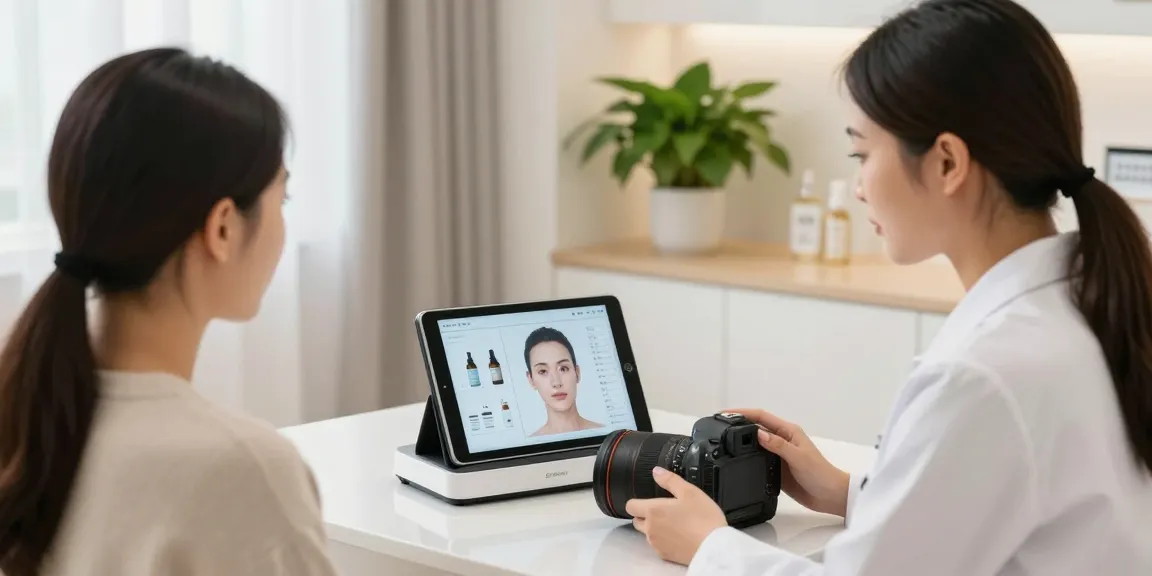
Integrating facial analysis tools into aesthetic consultations can enhance the overall treatment experience for patients. It's essential to understand best practices for utilizing these technologies effectively.
Best Practices for Aesthetic Consultations
Incorporating technology like ClinicEvo or QOVES into consultations involves understanding the user’s needs and expectations. Practitioners should familiarize themselves with the specific tools to ensure they can guide clients through the analysis results and recommendations effectively. Establishing a rapport and encouraging open discussion about the findings can lead to better aesthetic outcomes.
Integrating Analysis into Treatment Plans
Once facial analysis results are obtained, integrating this data into treatment plans is crucial for achieving desired aesthetic outcomes. Practitioners should discuss findings with clients and leverage insights from both platforms to formulate a cohesive approach that maximizes results while considering the client’s comfort and desires.
Case Studies: Success Stories
Many clients have reported transformative experiences after utilizing facial analysis technologies. For instance, individuals who used ClinicEvo have noted more personalized procedures and enhanced satisfaction with treatments. Similarly, users of QOVES have showcased significant improvements in their aesthetic outcomes through targeted recommendations. Analyzing such case studies offers valuable insights into the efficacy of these technologies in real-world settings.
Future Trends in Facial Analysis Services
The landscape of facial analysis is continuously evolving, influenced by emerging technologies and changing consumer preferences. Understanding these trends can help users and practitioners prepare for an increasingly competitive market.
Emerging Technologies and Innovations
As AI and machine learning continue to advance, we can expect even more refined facial analysis capabilities. Innovations such as augmented reality (AR) and virtual reality (VR) may soon play a role in how these services are delivered, allowing users to visualize potential enhancements in real-time. This could significantly enhance user engagement and satisfaction.
Shifting Consumer Preferences and Market Dynamics
Today’s consumers are increasingly discerning about their choices. The demand for transparency, personalized services, and data-driven results continues to rise. Companies that can adapt to these preferences will be better positioned for success in the competitive facial analysis market.
Preparing for 2026: What to Expect
As we move towards 2026, an increasing number of individuals will seek out personalized, technology-driven solutions for their aesthetic needs. Both ClinicEvo and QOVES are setting the groundwork for this evolution, and practitioners must stay informed about technological advancements and consumer trends to remain relevant.
What is the difference between ClinicEvo and QOVES?
The primary differences between ClinicEvo and QOVES lie in their methodologies, user experience, and the level of personalization offered. While ClinicEvo focuses on empowering users with data and customizable plans, QOVES delivers comprehensive, research-based insights into facial aesthetics. Understanding these differences can help users decide which service best aligns with their aesthetic goals.
How does facial analysis improve aesthetic treatment outcomes?
Facial analysis can dramatically enhance treatment outcomes by providing detailed insights into an individual’s unique features and aesthetic goals. By leveraging these insights, practitioners are better equipped to recommend suitable treatments that align with the user’s vision, ultimately leading to higher satisfaction rates.
What should I consider when choosing a facial analysis service?
When selecting a facial analysis service, consider factors like the depth of analysis, user interface, pricing, and overall service philosophy. Additionally, align your personal goals with the capabilities of each platform to ensure you choose a service that meets your expectations.
Are there any proven success stories using these technologies?
Yes, countless individuals have experienced significant enhancements to their aesthetic outcomes through the use of facial analysis technologies like ClinicEvo and QOVES. Success stories often highlight the importance of utilizing data-driven insights in personalizing treatment plans and achieving desired results.
What trends should we expect in the facial analysis market?
Expect to see a surge in demand for more personalized and interactive facial analysis tools. As technology evolves, consumers will also seek clearer, data-backed insights that inform their aesthetic decisions, shifting the focus towards platforms that offer comprehensive yet easily digestible information.