Understanding Water Reclaim Systems
As water scarcity becomes an increasingly pressing issue, the need for effective water management solutions has never been more critical. A Water Reclaim System serves as a pivotal mechanism for conserving water resources, making it a crucial component for various sectors including municipal, agricultural, and industrial operations. By recapturing and treating wastewater, these systems not only reduce the demand for freshwater but also mitigate the environmental impact of wastewater discharge. In this article, we will delve into the intricacies of water reclaim systems, exploring their components, operational methodologies, applications, and future trends.
What is a Water Reclaim System?
A water reclaim system is engineered to treat and recycle wastewater, transforming it into reusable water suitable for various applications. This system is essential in processes where water reuse is both an environmental necessity and a cost-effective strategy. Municipalities, industries, and agricultural sectors utilize these systems to alleviate water shortages and enhance sustainability.
Benefits of Implementing Water Reclaim Systems
- Resource Conservation: Reduces reliance on freshwater sources.
- Cost Savings: Lowers water procurement and disposal costs.
- Environmental Protection: Minimizes wastewater discharge and promotes eco-friendly practices.
- Regulatory Compliance: Assists businesses in adhering to local and federal water regulations.
- Operational Flexibility: Portable systems can be deployed in various environments, including remote locations.
Key Components of Effective Water Reclaim Systems
To effectively recycle water, a robust water reclaim system requires several key components:
- Pre-Treatment Units: Remove large particles and contaminants from the wastewater.
- Membrane Bioreactor (MBR): Combines biological treatment and membrane filtration to remove organic matter and pathogens.
- Ultrafiltration (UF): Further purifies the water by removing suspended solids and microorganisms.
- Reverse Osmosis (RO): Removes dissolved solids, ensuring high-quality reusable water.
- Storage Tanks: Safely store treated water for future use.
- Control Systems: Monitor and manage the treatment process for optimal efficiency and compliance.
How Water Reclaim Systems Work
The Technology Behind Water Reclaim Systems
Modern water reclaim systems utilize advanced technologies to enhance the efficiency and effectiveness of water treatment. These systems often incorporate a combination of biological processes, chemical treatments, and membrane technologies, ensuring comprehensive purification. For example, the integration of MBR technology allows for a compact design that maximizes space and minimizes energy consumption while delivering high-quality effluent.
Processes: Membrane Bioreactor and Beyond
The membrane bioreactor process is pivotal in water reclaim systems. This method combines conventional biological treatment with membrane filtration, allowing for the retention of solids and pathogens while permitting treated water to pass through. Additionally, technologies such as ultrafiltration and reverse osmosis further enhance water purity, making it suitable for irrigation, industrial applications, and even potable uses in some jurisdictions.
Operational Efficiency Metrics for Performance Evaluation
To gauge the performance of water reclaim systems, various metrics are utilized, including:
- Treatment Efficiency: Percentage reduction in contaminants.
- Energy Consumption: Amount of energy required per unit of water treated.
- Water Recovery Rate: Proportion of treated water that can be reused.
- Operational Downtime: Frequency and duration of system maintenance and repairs.
Applications of Water Reclaim Systems
Municipal Uses of Water Reclaim Systems
Municipalities employ water reclaim systems to support water supply in areas facing shortages. These systems are often used for non-potable applications such as irrigation of public parks, landscape maintenance, and industrial cooling processes. By utilizing reclaimed water, cities can significantly reduce their freshwater consumption and promote sustainable urban development.
Industrial Applications of Water Reclaim Systems
Industries generate a significant volume of wastewater, making water reclaim systems critical for operational sustainability. These systems facilitate the recycling of process water, reducing disposal costs and mitigating environmental impacts. Industries such as food and beverage, textiles, and manufacturing increasingly integrate these systems into their operations to adhere to regulatory standards and improve resource management.
Decentralized Water Reuse Applications in Remote Areas
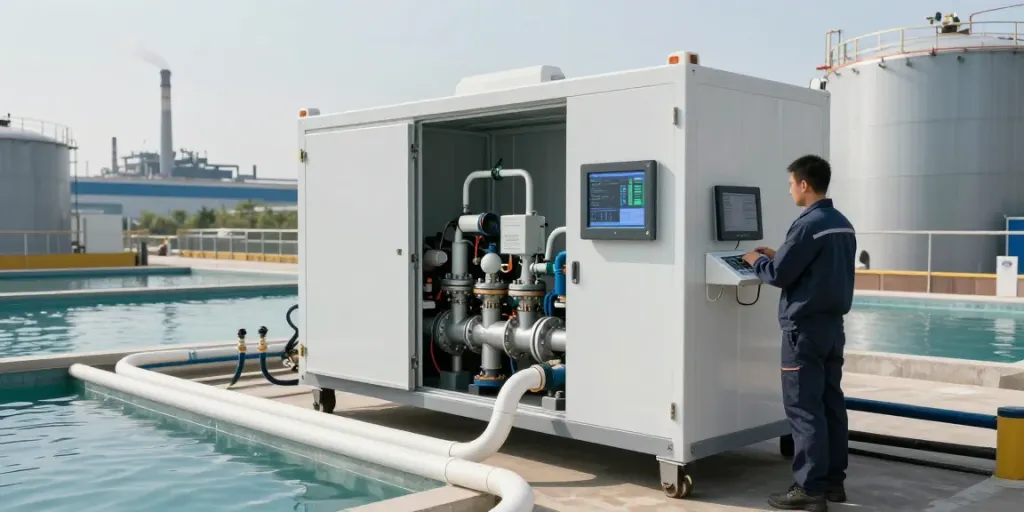
In remote locations, access to freshwater can be limited. Containerized water reclaim systems provide a mobile solution that is easily deployable in these settings. These systems can treat greywater, rainwater, or industrial effluents, ensuring that even the most isolated facilities have a sustainable water supply, which is essential for operation continuity and resource conservation.
Choosing the Right Water Reclaim System for Your Needs
Factors to Consider When Selecting a Water Reclaim System
Choosing the right water reclaim system involves assessing various factors:
- Water Source: Understand the quality and type of wastewater being treated.
- Treatment Goals: Identify the intended uses of reclaimed water to determine required treatment levels.
- Space Constraints: Evaluate available space for installation, especially in urban settings.
- Budget: Consider initial investments versus long-term savings on water costs.
- Regulatory Compliance: Ensure the system meets local health and safety regulations.
Cost-Effectiveness and ROI of Water Reclaim Systems
Investing in a water reclaim system can yield substantial long-term savings. While the initial setup costs may be considerable, the reduction in freshwater procurement and wastewater disposal expenses can lead to a quick return on investment (ROI). Furthermore, the implementation of such systems can enhance a company's sustainability profile, making it more attractive to environmentally conscious consumers and partners.
Case Studies: Success Stories in Water Reclamation
Numerous organizations have successfully implemented water reclaim systems to address their water management challenges. For instance, a leading beverage manufacturer installed a reclaim system that allowed them to recycle up to 70% of their wastewater, resulting in over 1 million gallons of water reused annually, alongside significant cost reductions in water procurement and wastewater treatment.
Future Trends in Water Reclamation Technology
Innovative Developments in Water Reclaim Systems
The future of water reclaim systems is characterized by continued technological advancements. Innovations such as smart sensors and AI-driven monitoring tools are expected to enhance operational efficiency and maintenance. These developments not only improve the reliability of water reclaim systems but also facilitate predictive maintenance, minimizing downtime and operational costs.
Legislative Changes Impacting Water Reuse Practices
As governments worldwide aim to combat water scarcity, legislative frameworks surrounding water reuse are evolving. Increasingly stringent regulations often encourage the adoption of water reclaim systems, providing incentives for businesses that prioritize sustainable water use. This shift in policy is likely to accelerate the market demand for innovative water reuse technologies.
Preparing for the Future: Predictions for 2026 and Beyond
Looking ahead, the global market for water reclaim systems is set to expand. By 2026, it is predicted that innovations in desalination, advanced filtration, and bioreactor technologies will play a pivotal role in enhancing system efficiency and reducing costs. Additionally, the integration of renewable energy sources, such as solar power, may further augment the sustainability of these systems, aligning them with broader environmental goals.
What is a Water Reclaim System?
A water reclaim system is a technological solution designed to treat and recycle wastewater, providing high-quality reusable water. Its applications span across various sectors, significantly contributing to resource conservation and environmental protection.
Is Reclaimed Water Cheaper Than Regular Water?
In many cases, reclaimed water can be significantly cheaper than conventional water sources, especially when factoring in the cost of wastewater disposal. By investing in a water reclaim system, organizations not only save on freshwater costs but also minimize their environmental footprint.
How Much Does a Water Recycling System Cost?
The cost of a water recycling system can vary widely based on several factors, including system size, technology used, and installation requirements. However, the long-term savings it provides often justify the initial investment.
How to Build a Water Reclamation System?
Building a water reclamation system requires careful planning and assessment of local regulations, technology selection, and infrastructure needs. Collaborating with experienced providers can help streamline this process and ensure compliance with all necessary standards.
What are the Benefits of Water Reuse?
Benefits of water reuse include resource conservation, reduced environmental impact, lower operational costs, compliance with regulations, and enhanced corporate sustainability profiles. These factors make water reclaim systems an integral part of modern water management strategies.