Understanding CNC Machining in Aerospace
CNC machining, or Computer Numerical Control machining, has revolutionized the aerospace industry by enabling the precise manufacturing of components critical to aircraft performance and safety. Honscn has been at the forefront since 2003, providing professional CNC machining services tailored for the aerospace sector. With a commitment to quality and efficiency, we ensure that every part meets stringent aerospace standards. When exploring options, leading aerospace cnc parts manufacturers such as Honscn offer comprehensive insights into the capabilities of CNC machining, enhancing both prototype development and mass production.
What is CNC Machining?
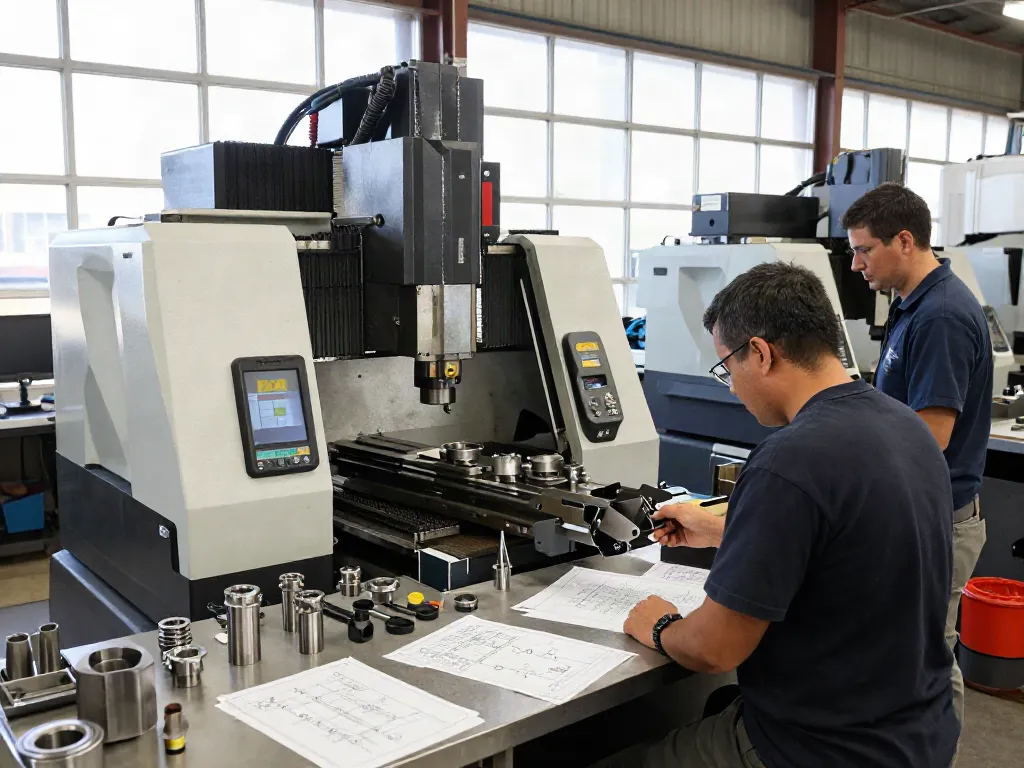
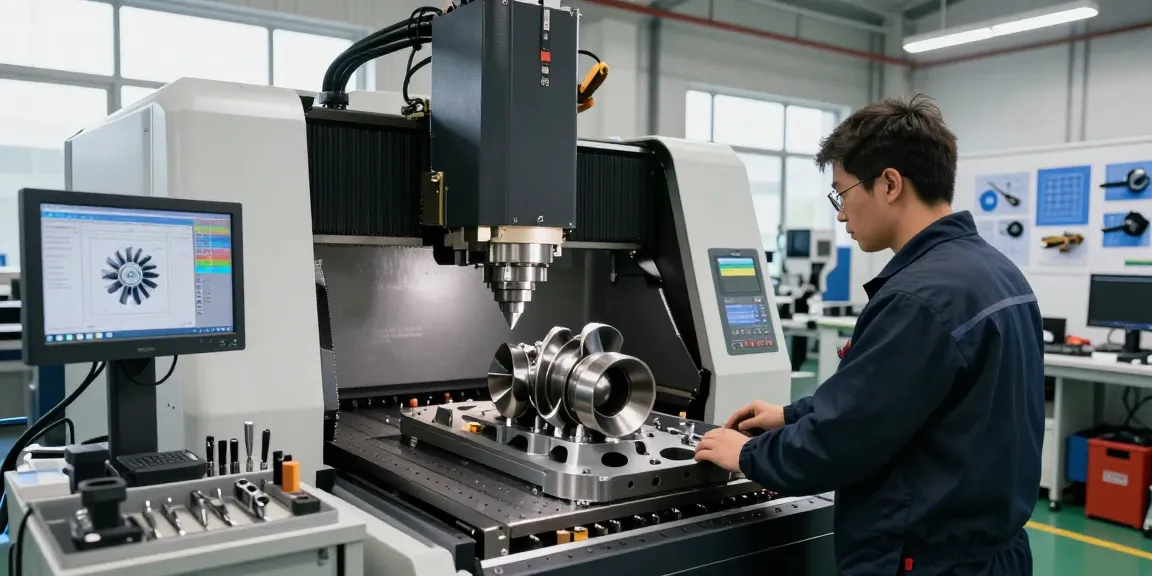
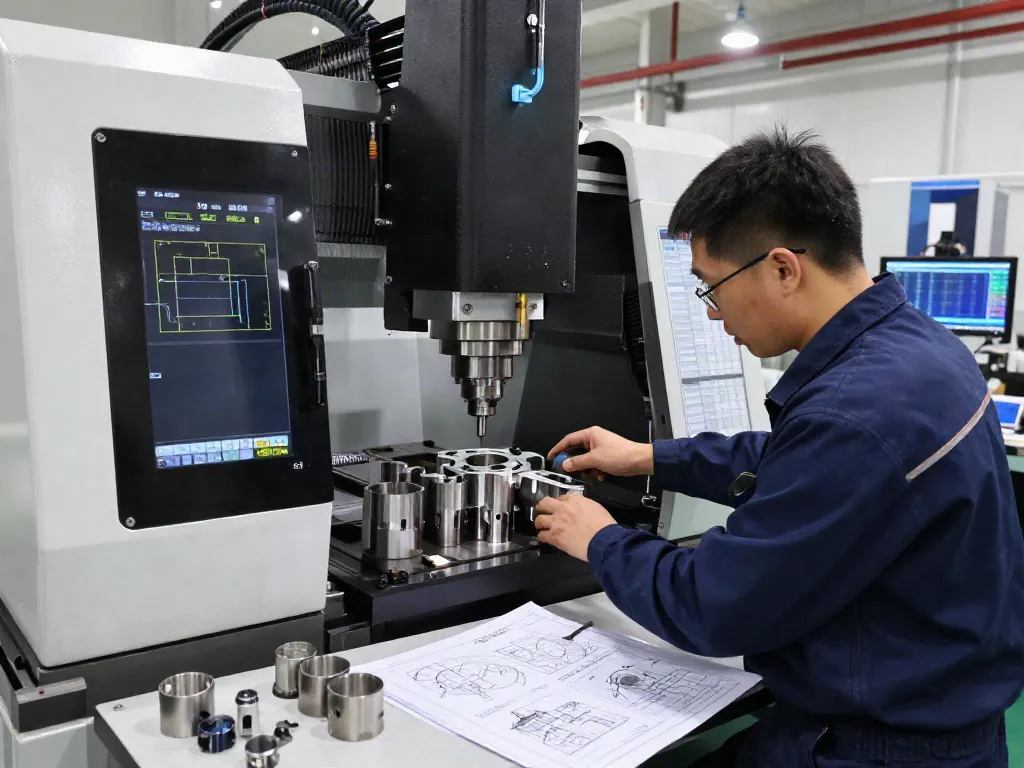
CNC machining is a process that uses pre-programmed software to control machine tools, including drills, lathes, and mills. It allows manufacturers to produce complex shapes and intricate designs with high precision. This technology is crucial in the aerospace industry, where tolerances are often measured in microns. CNC machining employs various techniques, such as milling, turning, and electrical discharge machining (EDM), to shape materials into the required forms.
Importance of Precision in Aerospace Applications
The aerospace sector demands unparalleled precision due to the high stakes involved in flight safety and performance. Components such as engine parts, landing gear, and control surfaces must be manufactured with extreme accuracy to withstand the harsh environments of flight. Even minor deviations can lead to catastrophic failures. Therefore, the ability to maintain tight tolerances through CNC machining is essential for ensuring the reliability and safety of aerial vehicles.
Common CNC Machining Techniques Used
- CNC Milling: This technique employs rotating cutting tools to remove material from a workpiece, enabling the creation of complex shapes.
- CNC Turning: In this process, the workpiece rotates while the cutting tool remains stationary, ideal for cylindrical components.
- EDM: Electrical discharge machining is used for hard materials that are difficult to cut using traditional methods, offering supreme precision.
- Laser Cutting: This technique utilizes lasers to cut materials, providing clean edges and intricate designs.
Materials Used in Aerospace CNC Machining
Choosing the right materials for aerospace applications is a critical aspect of CNC machining. The materials used must not only meet strength and weight requirements but also comply with industry regulations. Aerospace manufacturers rely on both metal and plastic materials to produce components that perform under rigorous conditions.
Top Metal Materials for Aerospace Parts
- Aluminum: Lightweight and resistant to corrosion, aluminum is commonly used in aircraft structures and components.
- Titanium: Known for its high strength-to-weight ratio, titanium is often used in critical applications like landing gear and structural components.
- Stainless Steel: This material offers durability and resistance to extreme temperatures, making it suitable for various aerospace applications.
- Cobalt Alloys: These alloys provide excellent wear resistance and are often used in turbine engines.
Common Plastic Materials and Their Applications
- Polypropylene (PP): Used for lightweight and robust components such as interior panels.
- Polycarbonate (PC): Offers high impact resistance; commonly used for transparent components like cockpit enclosures.
- Acrylonitrile Butadiene Styrene (ABS): Useful for its toughness and ease of machining, often found in non-structural parts.
- Polyethylene (PE): Used for fuel tanks and other applications requiring chemical resistance.
Material Selection Guidelines for Aerospace Components
When selecting materials for aerospace applications, manufacturers must consider factors such as weight, strength, durability, and the ability to withstand extreme conditions. It is also essential to ensure that the selected materials comply with regulatory standards and certifications to guarantee reliability and safety in operation.
Challenges Faced by Aerospace CNC Manufacturers
Despite the advancements in CNC machining technology, aerospace manufacturers face numerous challenges that can impact production efficiency and product quality. Understanding these challenges is crucial for maintaining a competitive edge in the market.
Regulatory Compliance and Certifications
The aerospace industry is heavily regulated, requiring manufacturers to adhere to strict quality standards, such as AS9100 certification. This certification ensures that companies meet global aerospace safety standards, which can be a lengthy and costly process. Meeting these regulatory requirements is essential for maintaining customer trust and market positioning.
Maintaining Precision in Mass Production
While CNC machining excels at producing high-precision components, maintaining precision during mass production runs can be challenging. Small variations in machine calibration, tool wear, or material properties can lead to deviations that affect product quality. Continuous monitoring and quality control measures are critical for overcoming these pitfalls.
Overcoming Supply Chain Disruptions
Global supply chain issues can significantly impact the availability of materials and components. Disruptions can delay production schedules and increase costs. Aerospace manufacturers must implement strategies such as diversifying suppliers and adopting just-in-time inventory practices to mitigate these challenges.
Best Practices for Aerospace CNC Machining
To thrive in the competitive aerospace industry, manufacturers must adopt best practices that enhance quality, efficiency, and innovation. Here are some strategies that can help.
Implementing Quality Control Measures
Establishing rigorous quality control protocols is essential for ensuring that manufactured parts meet aerospace specifications. This includes regular inspections throughout the production process, utilizing advanced measurement technologies, and maintaining detailed records to facilitate traceability.
Leveraging Technology for Improved Efficiency
Integrating advanced manufacturing technologies, such as automation and artificial intelligence, can streamline production processes and reduce human error. Technologies such as predictive maintenance can also minimize downtime by anticipating equipment failures before they occur.
Continuous Training for Skilled Labor
The aerospace industry relies heavily on skilled labor to operate advanced CNC machines. Continuous training programs for workforce development can help ensure employees stay current with the latest machining technologies and practices, promoting innovation and efficiency in the manufacturing process.
Future Trends in Aerospace CNC Machining
As the aerospace industry continues to evolve, several key trends are shaping the future of CNC machining. Staying ahead of these trends will be critical for manufacturers aiming to remain competitive.
Advancements in Automation and Robotics
Automation technologies are rapidly advancing, allowing manufacturers to increase production rates and reduce labor costs. Robotics are increasingly being used for tasks such as loading and unloading materials, which can speed up machining processes while maintaining precision.
Sustainability Practices in Aerospace Manufacturing
With a growing emphasis on sustainability, aerospace manufacturers must explore eco-friendly materials and processes. Innovations, such as the use of recycled materials and energy-efficient machines, are becoming more prevalent as companies aim to reduce their environmental impact.
Predicting the Impact of 3D Printing Technologies
3D printing is set to revolutionize aerospace manufacturing by enabling the production of complex geometries that traditional machining methods cannot achieve. This technology can reduce waste and lower costs, making it an attractive option for many aerospace applications.
Frequently Asked Questions
What are the leading aerospace CNC parts manufacturers?
Several companies are recognized as leaders in aerospace CNC machining, including Honscn, Ardel Engineering, and Owens Industries. These manufacturers are known for their commitment to quality, precision, and adherence to industry standards.
How does CNC machining improve aerospace part production?
CNC machining enhances aerospace part production by providing high precision, repeatability, and efficiency. The ability to automate complex manufacturing processes reduces human error and ensures consistent quality across production runs.
What are the most common materials used in aerospace parts?
The most commonly used materials in aerospace parts include aluminum, titanium, stainless steel, and various high-performance plastics. The choice of material depends on the specific application and performance requirements.
What challenges do aerospace CNC manufacturers face today?
Aerospace CNC manufacturers face challenges such as regulatory compliance, maintaining precision during mass production, and overcoming supply chain disruptions. Addressing these issues is essential for ensuring operational efficiency and product quality.
How can manufacturers ensure quality in CNC machining?
Manufacturers can ensure quality in CNC machining through rigorous quality control measures, regular machine calibration, and the implementation of best practices in manufacturing processes. Continuous training for staff also plays a crucial role in maintaining high standards.