Understanding the Aerospace Industry Dynamics
The aerospace industry is a highly specialized sector that integrates sophisticated engineering practices, cutting-edge technology, and stringent regulatory compliance. As air travel continues to grow, so does the demand for advanced aerospace components, particularly from leading aerospace cnc parts manufacturers. The necessity for precision and reliability in manufacturing these components is paramount, given the critical role they play in ensuring the safety and performance of aircraft and spacecraft.
Current Trends in Aerospace Manufacturing
Recent years have witnessed significant shifts in the aerospace manufacturing landscape. Key trends include the adoption of additive manufacturing, often known as 3D printing, which allows for the creation of complex geometries that traditional machining cannot achieve. Additionally, digitalization and the Internet of Things (IoT) are enhancing operational efficiencies and real-time monitoring of manufacturing processes.
Key Players in the Aerospace CNC Parts Sector
The aerospace CNC parts sector is dominated by several key players. Major manufacturers such as Boeing and Lockheed Martin lead the industry, alongside specialized companies like Spirit AeroSystems and Precision Advanced Manufacturing, which are renowned for their advanced CNC machining capabilities and compliance with AS9100 standards.
Challenges Facing Aerospace CNC Parts Manufacturers
Manufacturers in the aerospace sector face numerous challenges, including rising material costs, stringent regulatory requirements, and the need for continuous innovation. Furthermore, supply chain disruptions, exacerbated by global events, have forced many manufacturers to reevaluate their operational strategies to maintain consistency and reliability in production.
The Role of CNC Machining in Aerospace Production
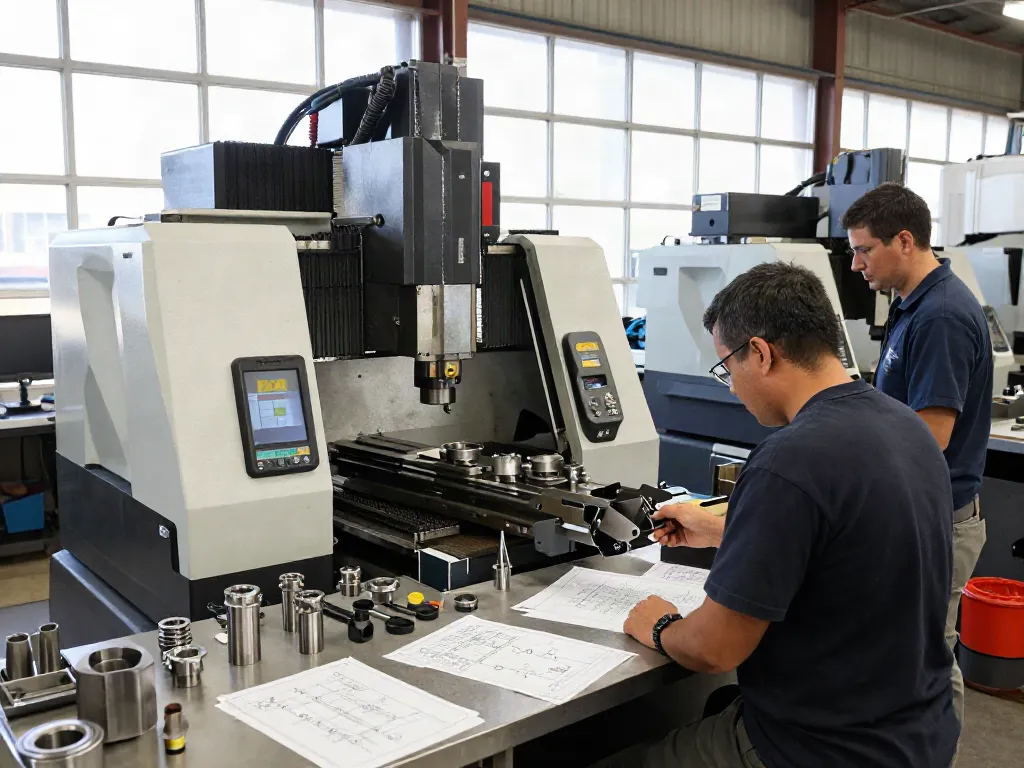
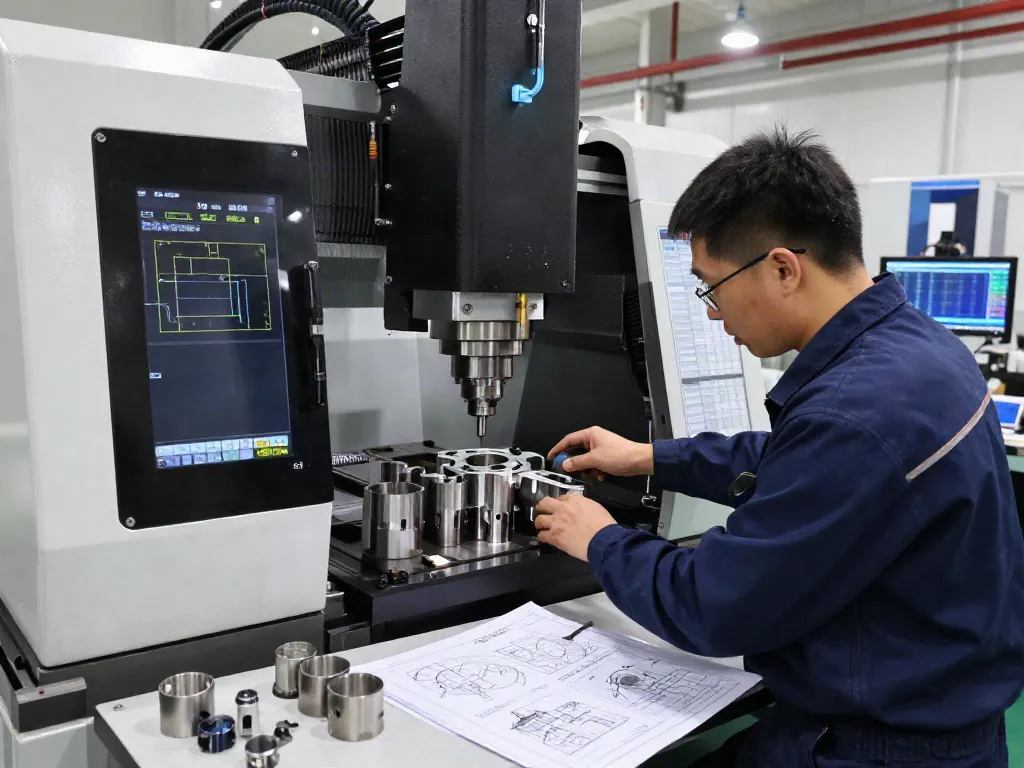
CNC machining plays a crucial role in aerospace production, enabling the mass production of high-precision components required for aircraft and spacecraft. This technology not only improves efficiency but also minimizes human error, which is critical in an industry where precision is non-negotiable.
Technological Advancements in CNC Machines
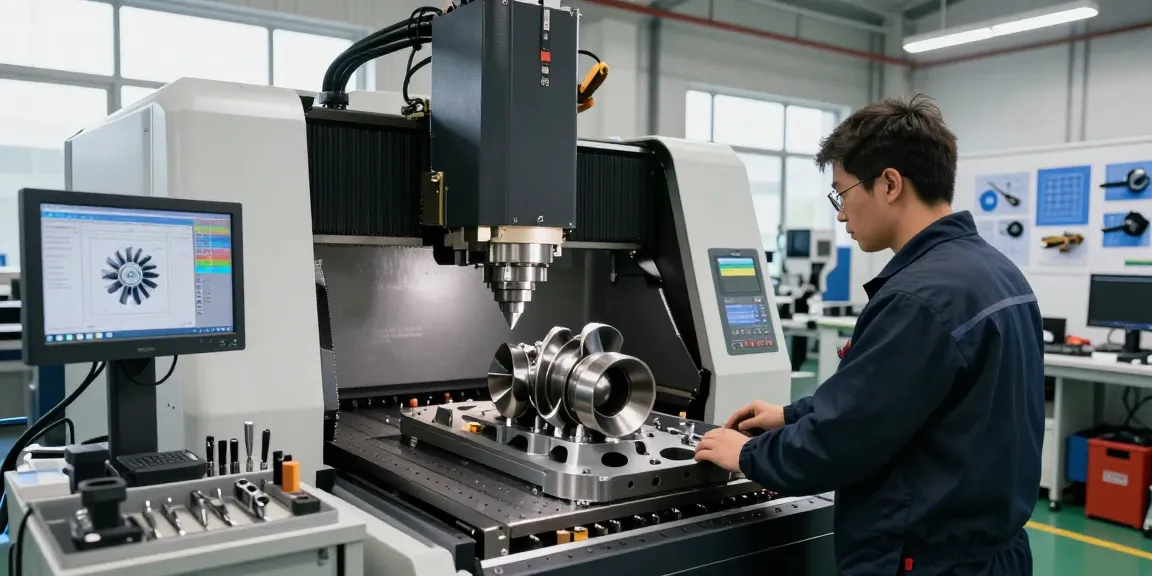
The evolution of CNC machines has brought about significant advancements such as multi-axis machining, which allows for intricate designs and improved production capabilities. Recent innovations include machine learning algorithms that optimize machining processes, leading to reduced downtime and increased output quality.
Benefits of CNC Machining for Aerospace Components
- Increased Precision: CNC machining delivers high accuracy and repeatability, vital for aerospace applications where tolerances are tight.
- Enhanced Efficiency: Automation in CNC machining reduces production time and labor costs.
- Material Versatility: CNC machines can work with a variety of metals and composites, expanding the potential for innovative designs.
Quality Control Standards in Aerospace Manufacturing
Quality assurance is critical in aerospace manufacturing. Leading manufacturers adhere to rigorous standards such as ISO 9001 and AS9100 to ensure that their products meet safety and performance criteria. Continuous testing and quality checks at various production stages are necessary to achieve the high standards expected in this industry.
Leading Aerospace CNC Parts Manufacturers in 2026
As we progress into 2026, several manufacturers stand out as leaders in the aerospace CNC parts market. These companies are recognized not only for their precision machining capabilities but also for their commitment to innovation and quality.
Profiles of Top Manufacturers
Some of the leading aerospace CNC parts manufacturers include:
- Boeing: A giant in the aerospace industry, Boeing has extensive experience in both commercial and defense sectors, leveraging state-of-the-art CNC machining for component production.
- Lockheed Martin: Known for its advanced military and aerospace technologies, Lockheed Martin employs precision CNC techniques to manufacture critical components.
- Spirit AeroSystems: This company specializes in aerostructures and employs CNC machining to produce intricate parts that are essential for aircraft performance.
- Precision Advanced Manufacturing: Recognized for its high-quality machining services, this manufacturer is compliant with AS9100 standards and provides robust aerospace solutions.
Case Studies on Successful Aerospace Projects
Examining successful projects can provide valuable insights into effective practices within the aerospace CNC sector. For example, Boeing's recent initiative to enhance its 737 production line involved integrating advanced CNC technologies to streamline operations and improve manufacturing speeds. This project not only reduced costs but also increased overall production efficiency.
Market Share and Competitive Landscape Analysis
The competitive landscape of the aerospace CNC parts market is diverse, with a mix of established giants and innovative startups. A recent analysis indicates that companies focusing on niche markets, such as additive manufacturing and composite materials, are rapidly gaining market share, prompting traditional manufacturers to adapt and evolve.
Best Practices for Aerospace CNC Parts Manufacturing
To stay competitive in the aerospace sector, manufacturers must adopt best practices that enhance efficiency and product quality.
Implementing Lean Manufacturing Techniques
Lean manufacturing principles can significantly reduce waste and improve productivity. Techniques like value stream mapping help identify inefficiencies in the production process, enabling manufacturers to streamline operations.
Utilizing Advanced Materials for Aerospace Applications
Utilizing advanced materials such as titanium alloys and high-performance composites is essential for developing lightweight, high-strength components that meet the demands of modern aerospace applications.
Strategies for Reducing Production Costs
- Investing in Automation: Automation can reduce labor costs and improve precision.
- Supplier Collaboration: Building strong relationships with suppliers can lead to better pricing and more reliable delivery of materials.
- Continuous Improvement: Regularly reviewing processes and seeking feedback can lead to incremental improvements that cut costs over time.
Future of Aerospace CNC Parts Manufacturing
The future of aerospace CNC parts manufacturing is poised for transformation driven by several emerging technologies and market trends.
Emerging Technologies and Innovations to Watch
Technologies such as artificial intelligence (AI), machine learning, and advanced robotics are set to revolutionize the CNC machining landscape. These innovations promise to enhance production capabilities, improve predictive maintenance, and enable real-time decision-making on the shop floor.
Predictions for Market Growth by 2030
Market analysts predict significant growth in the aerospace CNC parts sector by 2030, fueled by increased air travel demand and a focus on sustainability. The integration of eco-friendly materials and processes will become a priority as manufacturers strive to meet environmental regulations and consumer expectations.
How Sustainability is Shaping Aerospace Manufacturing
Sustainability is at the forefront of aerospace manufacturing strategies. Companies are investing in research and development of cleaner production processes and sustainable materials to reduce their carbon footprint and align with global sustainability goals.
What are the Latest Developments in Aerospace CNC Parts?
Recent developments in aerospace CNC manufacturing include advancements in machine precision, software integration for real-time monitoring, and enhanced training programs that focus on upskilling the workforce to handle complex CNC operations effectively.
How Can Aerospace Manufacturers Adapt to Changing Regulations?
Aerospace manufacturers must stay abreast of changing regulations and adjust their processes accordingly. This can involve regular training for employees on compliance standards and investing in technology that supports regulatory requirements.
What are the Benefits of Working with Leading Aerospace CNC Manufacturers?
Partnering with leading aerospace CNC manufacturers offers numerous advantages, including access to advanced technologies, a proven track record of quality, and adherence to the most stringent safety standards, which are critical in aerospace applications.
Which Technologies Are Revolutionizing CNC Machining for Aerospace?
Technologies such as advanced simulation software, enhanced tooling materials, and integrated cloud platforms are redefining CNC machining for aerospace. These innovations facilitate better design iterations and optimize manufacturing workflows, leading to improved product outcomes.